Hotel story · 7 minutes
The Breakfast Room at Northbridge
Before the first guest is awake, the night porter lays twelve tables and drinks one cup of tea.
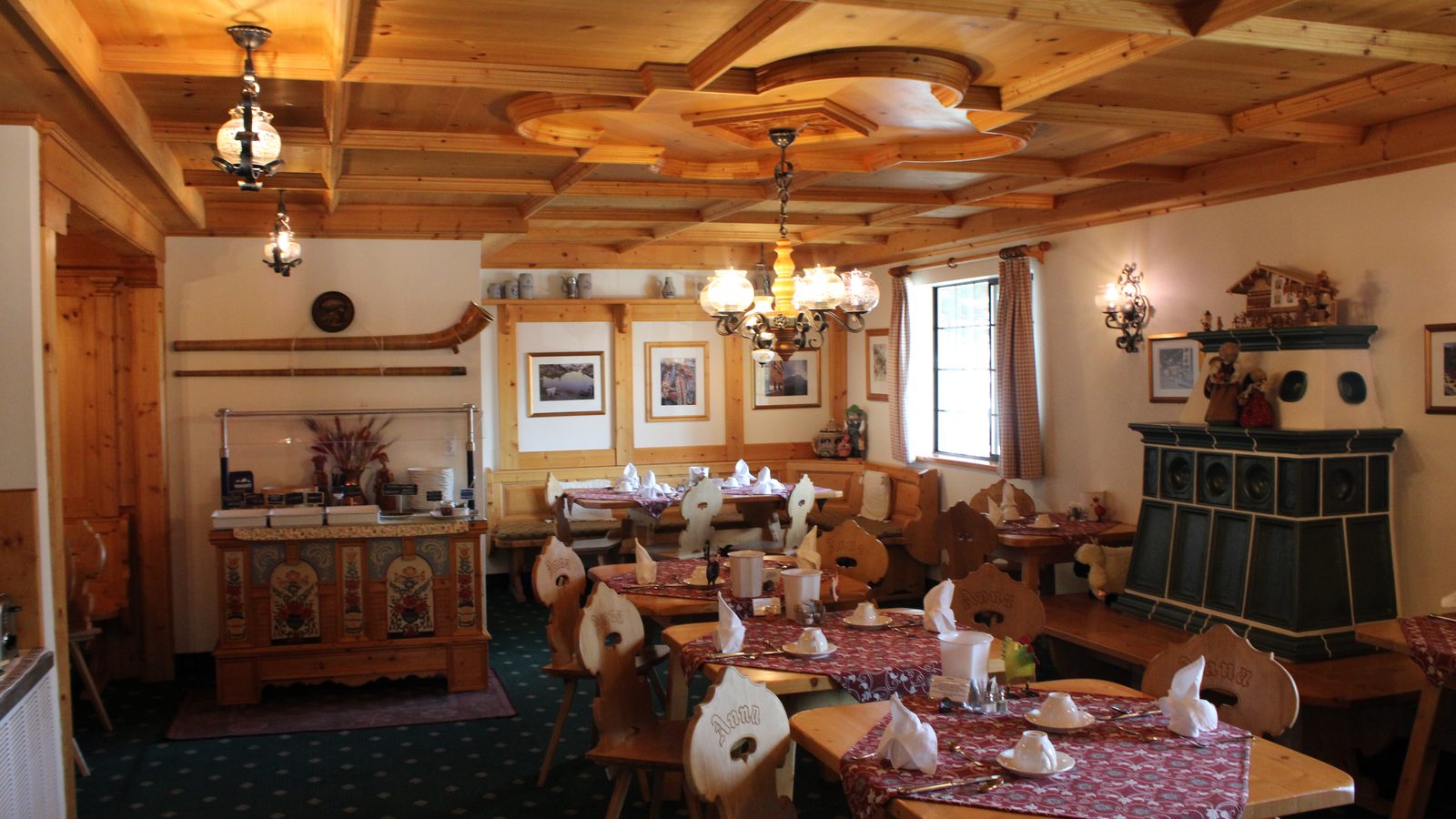
Begin readingThe breakfast room at Northbridge Hotel was laid at five, in the dark, by whoever had the night. This month it was Leon. He unlocked the room a little before the hour, switched on the two lamps by the sideboard and none of the others, and stood a moment in the doorway to let the place become itself.
By day it was a bright room with tall windows onto the street and a great deal of white cloth. At five it was a dim one, with the windows black and the chairs still up on the tables from the sweeping, and it smelled of polish and of yesterday’s coffee and of the cold that had come in through the glass overnight. Leon liked it best like this. It had the quality of a stage before the audience came in, when the set was true and nobody had said anything yet.
He took the chairs down first. Forty-eight of them, four to a table, each lifted and turned and set on the floor without a sound, because the guests on the first floor slept directly above and the ones who slept lightly would hear a chair. Then the cloths. The clean ones were folded on the sideboard in a stack, and he shook each one out over its table with a single movement he had learned from the woman who had had the night before him, so that the cloth rose and floated and settled square, and he had only to pull one corner straight.
The cups came from the pantry on a tray, and the saucers, and the small plates, and he went round the twelve tables laying each place the same way: plate, cup on its saucer to the right, knife, spoon, the little dish for butter. He did not think about it. His hands had done it so often that they had opinions of their own, and he let them work while he listened to the hotel above him, which was silent except for the pipes, and to the street outside, which was silent except, once, for a cat.
At half past five he filled the two big pots on the sideboard, one with tea and one with hot water for the coffee that the morning staff would make, and the tea pot began its faint, contented ticking as it warmed. The flowers were his last job. There was one small vase to a table, and the flowers in them were changed every third day, and this was a third day, so he went along the tables with a jug and a handful of stems from the box the florist left by the back door, taking out what had tired and putting in what had not. Nothing showy. A stem or two, and a leaf.
The window nearest the sideboard had gone from black to a deep, faintly luminous blue. Leon poured himself a cup from the big pot, which was against no rule that anyone had ever mentioned to him, and sat down at the table in the window with his back to the room. Across the street the shops were dark. The baker two doors along had a light in the back, as he did every morning at this hour, and Leon and the baker had never met but knew each other well, in the way of people who are awake in the same street at the same time for years.
A street sweeper came along the pavement with his brush and his cart, slowly, taking the leaves from the gutter in short strokes. The blue in the window lightened by a shade. The tea was good, strong and a little too hot, and Leon held the cup and watched the sweeper go past and felt the particular contentment of a job entirely finished before anyone knew it had begun. Behind him the twelve tables stood ready in the lamplight, forty-eight places, twelve small vases, two pots ticking gently on the sideboard.
Upstairs a floorboard spoke, once, and was quiet. Somebody turning over. It would be an hour yet before the first of them came down, in a cardigan, hair not quite right, to sit at the table by the window and find the cloth straight and the cup warm and the flower fresh, and to feel, without knowing why, that the day had been prepared for them. Leon finished his tea. He rinsed the cup and set it on the pantry tray to be washed with the rest, so that nobody would count and come up one short. Then he turned the lamps by the sideboard down a little, so that the window could have its turn, and went back to the desk to wait for the morning to arrive and take over.
You do not need the screen to keep this place. Close your eyes and let it continue without us.
Let the screen go darkPhotograph: Chris Light, CC BY-SA 4.0, Wikimedia Commons