Gentle work · 6 minutes
Evening Inventory at the Glasshouse
The labels in a winter garden are checked one by one as the panes cool.
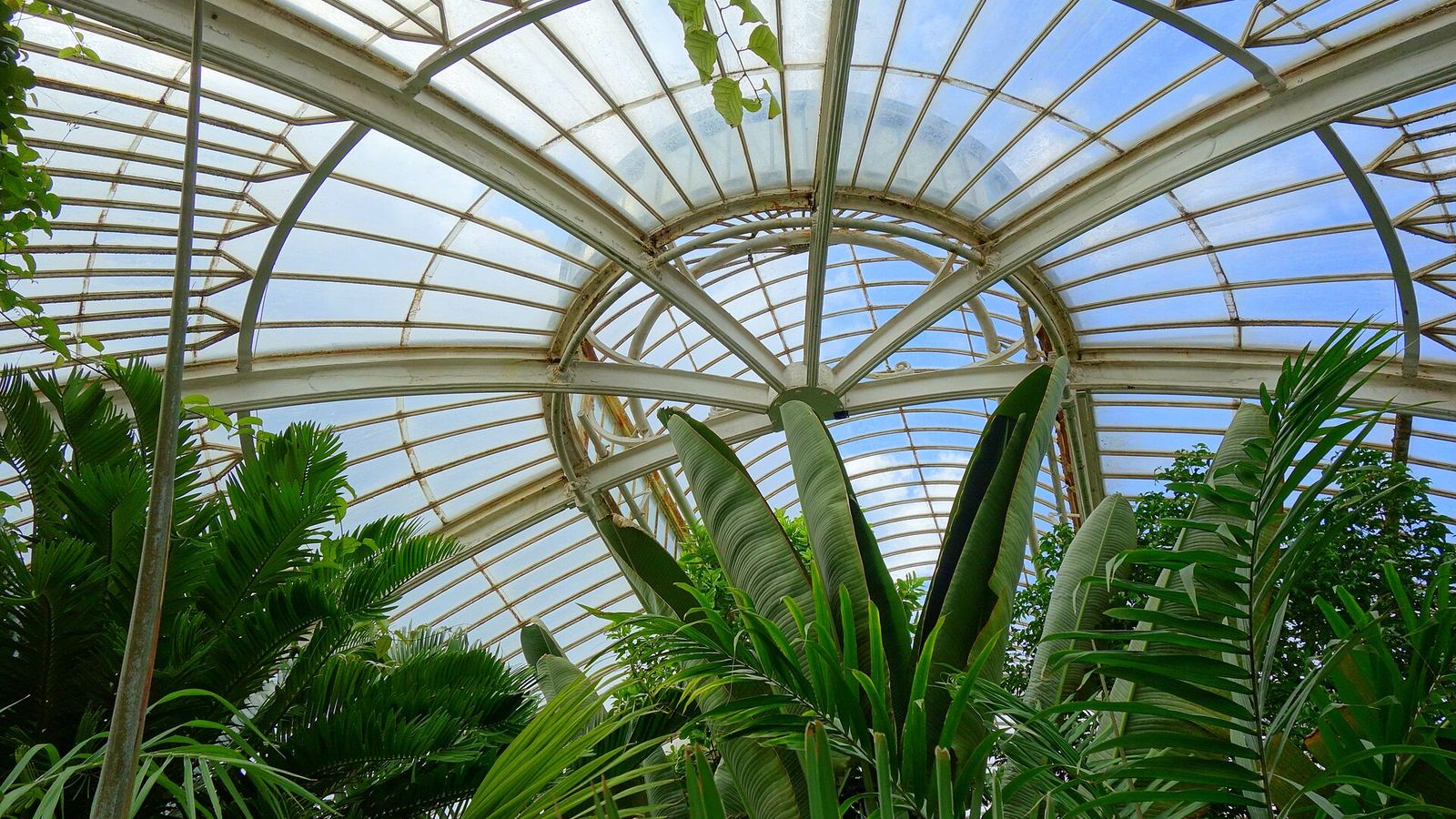
Begin readingAt closing time the glasshouse kept the day’s warmth for almost an hour. Condensation gathered high on the panes, and the paths smelled of damp stone and rosemary.
It was a long glasshouse with a curved roof, built when glass was expensive and gardeners were not, and it had been added to over the years until it had the pleasant, slightly illogical shape of a house that several generations had lived in. The main path ran down the middle between raised beds of brick. At the far end a fig tree had been trained against the wall and had long since stopped pretending it was trained. The boiler had gone off at five. By six the temperature would have dropped by the width of a finger on the old thermometer, and by morning by the width of a hand, and the plants would not mind, because they were winter plants and had been chosen for exactly this.
Nadi carried a clipboard from bench to bench. She checked the paper labels, replacing those whose pencil had faded. Laurel. Myrtle. Lemon verbena. Names quiet enough to say under one’s breath.
The labels were slips of white card pushed into the soil beside each pot, and the damp got into them slowly, so that a name written in September would be a grey suggestion by January. She wrote the new ones in her small square hand and left the old ones in for a day, side by side, before taking them out, the way one lets a new neighbour and an old one overlap. The laurel and the myrtle would keep their leaves all winter. The lemon verbena had already let most of its own fall, as it did every year, and stood in its pot as a bundle of bare stems that still, when she brushed them in passing, gave up their sharp lemon smell.
A watering can stood beneath the fig tree. She filled it only halfway and gave each pot less than it might have asked for. Winter plants preferred restraint.
The can was old and had a rose on its spout that spread the water into a fine slow shower, and she went along the bench tilting it briefly over each pot and moving on before the soil could darken all the way through. Too much water in the cold months was the commonest kindness that killed. The rosemary, in particular, wanted almost nothing; she gave it a look rather than a drink. Somewhere behind her a drop fell from the roof onto a leaf, and then, after a considerable pause, another.
Outside, the garden became grey, then charcoal. Inside, the glasshouse gave back its heat slowly. A single drop traveled down the nearest pane and joined another at the wooden frame.
She could see her own reflection now in the darkening glass, a shape with a clipboard moving among the shapes of plants, and beyond it the faint outline of the hedges and the path to the gate. The lamps along the main path came on by themselves, as they did at this hour, low and yellow, and made the glasshouse into a lit box set down in a dark garden. It was the time of the evening she liked best, when the place felt less like a workplace and more like a room in which a great many quiet things were breathing.
Nadi wrote the date at the bottom of the page. There were three unchecked labels on the far bench. She left them for morning, when the names would be easier to read.
She hung the clipboard on its nail by the door and set the watering can back under the fig. The thermometer had dropped its finger’s width. Outside, the first rain of the night began to find the roof, lightly, and the drops on the panes joined one another and ran, and the glasshouse went on giving up its warmth to the garden a little at a time, as it would all night, unhurried, with nobody watching and nothing at all going wrong.
You do not need the screen to keep this place. Close your eyes and let it continue without us.
Let the screen go darkPhotograph: Daderot, CC0, Wikimedia Commons