Town walk · 6 minutes
The Clockmaker’s Long Way Home
After setting the town clock, Tomas chooses the streets with the fewest lamps.
Begin readingTomas left the clock tower through the narrow door behind the market stalls. The clock above him would be four seconds slow by spring, which was close enough for a town where nothing departed at an exact minute.
He had climbed the tower every Thursday evening for thirty-one years, first behind his father and then alone, up the wooden stair that turned four times and smelled of oil and pigeons and cold stone. The clock was older than the town hall it stood on and had been made by someone whose name was on a brass plate that nobody could now read. Tomas had never tried to make it keep perfect time. He oiled the escapement, checked the weights, and nudged the pendulum’s nut a fraction one way or the other depending on the season, and the clock did the rest with the slightly loose good nature of an old dog on a familiar walk.
His usual road home crossed the square. Tonight he took the lane behind the tailor’s shop, where the houses leaned slightly toward one another and the lamps were spaced farther apart.
He could not have said why. The square was quicker and had the bakery at one corner and the fountain in the middle, and on a Thursday there would be nobody in it but a cat. But the lane behind the tailor’s was older and narrower and the town had never got round to lighting it properly, so that one walked from one small pool of lamplight into a long soft dark and out into the next, and the dark parts were where the walking happened. The tailor’s window was shuttered. A thread of light showed under the door of the workroom behind it, where somebody was still hemming something for Saturday.
He passed a courtyard with washing left beneath an awning, a fountain turned off for winter, and a bakery window clouded from within. The long road offered no surprises, which was why he liked it.
The washing was three shirts and a tablecloth, and they hung perfectly still in the windless air, and he thought that whoever had left them out had made a sound judgement about the weather. The fountain in the courtyard was a small stone one with a lion’s head, and its mouth was dry and had a leaf caught in it. The bakery was the back of the one on the square; through its clouded window he could see nothing but a warm blur and the shape of someone moving slowly, and he could smell the first bread of tomorrow, which was the pleasantest smell in the town and perhaps the reason he had come this way after all.
At the top of the lane he heard the clock strike ten. From here the sound seemed softer, almost borrowed from another village.
He stopped to listen, as he always did, though he could have told anyone the strike was true to the second. Ten strokes, unhurried, with the little hesitation before the last one that his father had never been able to remove and that Tomas had long ago decided was part of the clock’s character. From the square the strike was a large sound that filled the space between the buildings. From here it came over the roofs a little worn, a little rounder, and mixed with the bread smell and the dark, so that it seemed less like a town announcing the hour and more like a town saying, to no one in particular, that the hour had come and everything was as it should be.
Tomas reached his blue door and did not look back to count the chimes. He had set the clock. It could keep the rest of the night without him.
Inside, his own clocks were waiting, a dozen of them on the shelves of the front room, and they had heard the tower strike too and had all agreed with it, which was as much as he asked of any clock. He hung his coat on its peg and put the kettle on the stove. Behind him the town settled: the tailor finished the hem, the baker set the loaves to prove, the washing waited under its awning for a morning that would be dry. The clock in the tower took up the first minute of the new hour and went quietly on with it, four seconds slow by spring, and nobody, not even Tomas, would need to know.
You do not need the screen to keep this place. Close your eyes and let it continue without us.
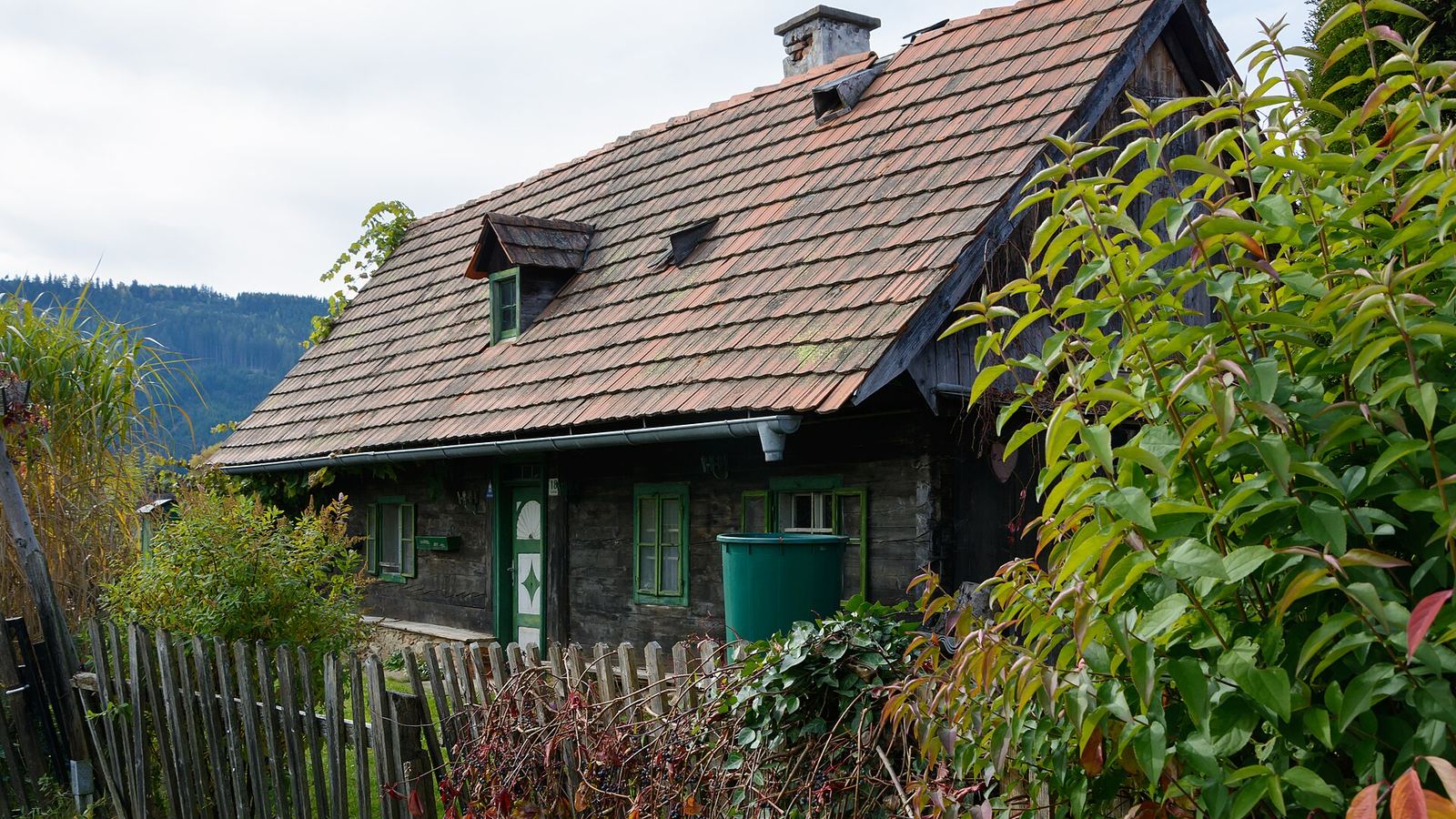
Let the screen go darkPhotograph: Uoaei1, CC BY-SA 4.0, Wikimedia Commons