Slow history · 7 minutes
The Mill Wheel After Dark
At the end of a working day, a miller closes the sluice and lets an old wheel come to rest.
From the recurring world The Gentle Trades
Begin readingAt six o’clock, when the light had gone amber over the millpond and the last sack of the day stood tied by the door, Wendel climbed the three wooden steps to the sluice and put both hands on the iron wheel that worked the gate. It was the middle of October, and the stream was fuller than it had been all summer, brown with rain from the hills and carrying the first yellow leaves of the alders down to the mill as if they had business there.
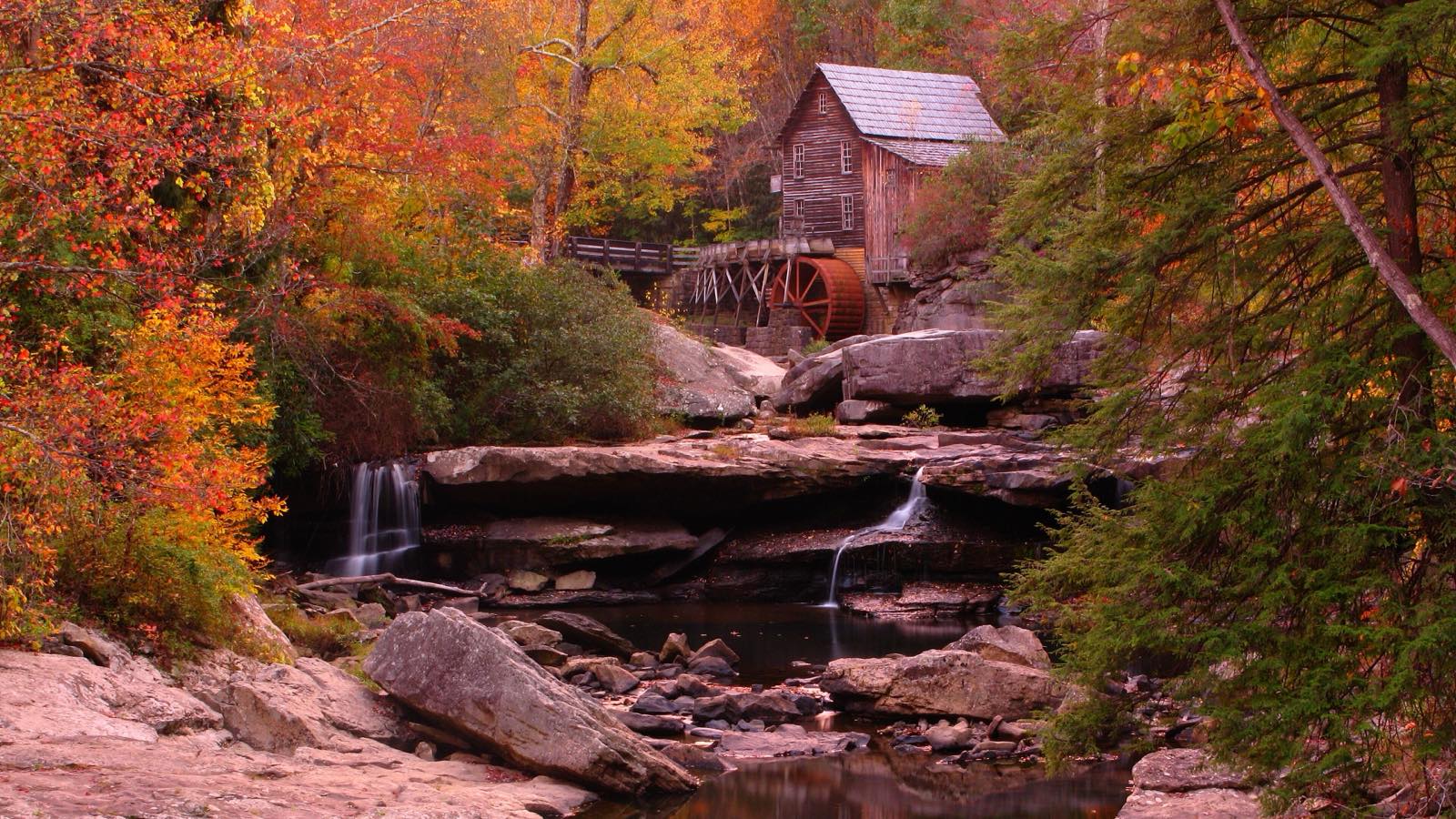
The mill had been grinding in that valley for longer than the village had kept a register, and some of its habits were older than anyone’s memory of them. The great wheel turned on the outside wall, slow and dark and dripping, and inside the building its turning became a shaft, and the shaft became gears of applewood and iron, and the gears became the low steady grumble of the stones on the floor above. Wendel had heard that sound every working day of his life, and he no longer heard it at all unless it stopped.
He turned the iron wheel. The gate came down in its channel by small degrees, a hand’s width and then another, and the water that had been pouring onto the paddles thinned to a sheet, then to a ribbon, then to a scatter of drops. The great wheel did not stop at once. It had been turning all day and had a mind to go on, and it went round twice more on nothing but its own weight, then once more slowly, like someone finishing a sentence, and settled with a long wooden creak and hung still.
Inside, the quiet arrived one floor at a time. The stones upstairs ran down and rested. The gears gave a last click and stood with their teeth in one another. Then there was only the stream, which had not been told about any of this, finding its other way round: over the weir at the head of the pond and down the old bypass channel beside the lane, where it made a brighter, chattering sound, the sound of water with nothing in particular to do.
Flour was still settling. It hung in the air of the stone floor as a fine pale haze, and when Wendel lit the lamp on its hook the light made the haze visible, so that for a while the whole room seemed to be gently snowing indoors. It settled on the beams and on the chain of the sack hoist and on the shoulders of his coat. He had stopped brushing it off years ago. A miller who minded flour, his grandfather used to say, ought to have been a tailor.
He went along the row of sacks by the door and checked each tie, giving every knot a small tug, the way one pats a dog in passing. There were twelve sacks of wholemeal for the baker in the village, four of rye for a farm up the valley, and one small bag of fine white that a woman had asked for because her granddaughter was coming to stay and wanted to make a cake. He set that one apart on the bench, where it would not go out on the wrong cart in the morning.
The ledger lived on a shelf beside the stair, a broad book with a cloth spine gone soft from handling. Wendel sat at the bench with the lamp beside him and wrote the day into it in his slow upright hand: grain received, flour sent out, the names of the farms, the height of the water at the sluice. Earlier millers had written in the same book, or in its older brothers on the shelf above, and some had added notes in the margins about the weather, the price of eggs, a heron that once stood on the weir for a week. He wrote that the alders had begun to turn.
When the ink was dry he closed the book and went out onto the step. The millpond had gone perfectly still, holding the last pale light in the west and the dark shape of the mill upside down, with one lamp in it. The wheel stood dripping in the dusk, each drop finding the channel below with a small separate sound. Over by the lane the bypass went on talking to itself, carrying the whole stream round the mill and on down the valley, past the alders and the village and the sleeping farms, without needing the wheel or the stones or the miller to turn any of it into anything. Wendel turned the lamp down low in the window, as he always did, and walked up the lane to his supper with flour still on his shoulders, a little paler than the night.
You do not need the screen to keep this place. Close your eyes and let it continue without us.
Let the screen go darkPhotograph: ForestWander, CC BY-SA 3.0 US, Wikimedia Commons