Garden story · 8 minutes
The Night the Frost Was Expected
A gardener spends the last mild evening of the year putting tender things under cover.
Begin readingThe forecast had said frost, the first of the year, and the sky over the kitchen garden had cleared by four o’clock in the way that skies do when they mean it. Bea stood at the gate with her hands in her coat and looked at the beds and made, without writing anything down, the list she had made every autumn for twenty years.
It was a walled garden of the old kind, with the glasshouse along the south wall and the beds laid out in a grid of gravel paths, and it grew what the big house had always grown: leeks and cabbages that could stand any weather, and lettuces and herbs and a few last dahlias that could not. The cold would come down out of a clear sky after midnight and settle in the low corner by the water butt, where it always settled first, and by morning anything soft that had been left out would be dark and finished. Bea did not think of this as a threat. It was simply the year turning over, and her job on this one evening was to help the garden turn with it.
She began with the lettuces. There were two rows left, small and tight, and she unrolled the fleece from its cane and laid it over them lightly, like a sheet over sleeping children, and weighted its edges with stones from the pile kept for the purpose. The fleece would keep off the worst. It would not keep off a real winter, but this was not a real winter yet, only its first knock at the door, and a light cover was enough to answer it.
The lemon tree was next. It lived in a terracotta pot by the glasshouse door all summer and had to be walked inside every autumn, and every autumn it was heavier. Bea tipped the pot onto its rim and rolled it, a quarter-turn at a time, over the threshold and along the path inside to the corner where the winter light would reach it. The tree did not mind being rolled. Its leaves gave up their sharp clean smell as they brushed the doorframe, and one small green lemon, no bigger than a walnut, went on quietly being a lemon in the warm.
Inside, the glasshouse held the day. The thermometer on the far wall read what it had read at noon, or near enough, and the air was soft and smelled of soil and geranium and the faint sweetness of the grapes that had been picked from the vine along the roof two weeks before. Bea closed the top vents with the long pole, one by one, hearing each latch drop. She checked the paraffin in the little heater and did not light it. Tonight the glass alone would do. The heater was for January, and January could wait its turn.
Outside again, she went along the dahlia row with the secateurs. The flowers were nearly over, but there were still a few good heads of the dark red and the pale yellow, and it seemed a waste to let the frost have them when the kitchen table could. She cut a dozen and laid them in the trug. The leaves would blacken by morning; that was what dahlia leaves did at the first frost, and it was the garden’s way of saying that the tubers could be lifted and stored and the bed put to rest. She had done it every year. There was a comfort in a plant that told you plainly when it had finished.
The light was going. The wall on the far side of the garden had turned from gold to grey, and above it the first star had come out in a sky that was now perfectly clear, which meant the forecast had been right. Bea went round the beds once more. She checked the stones on the fleece. She turned the tap off at the water butt and left it open a little so that any ice would have somewhere to go. She stood the empty pots upside down against the wall, where they would not hold water and crack. Each of these was a small thing, and none of them could have waited, and together they were the whole of the evening’s work.
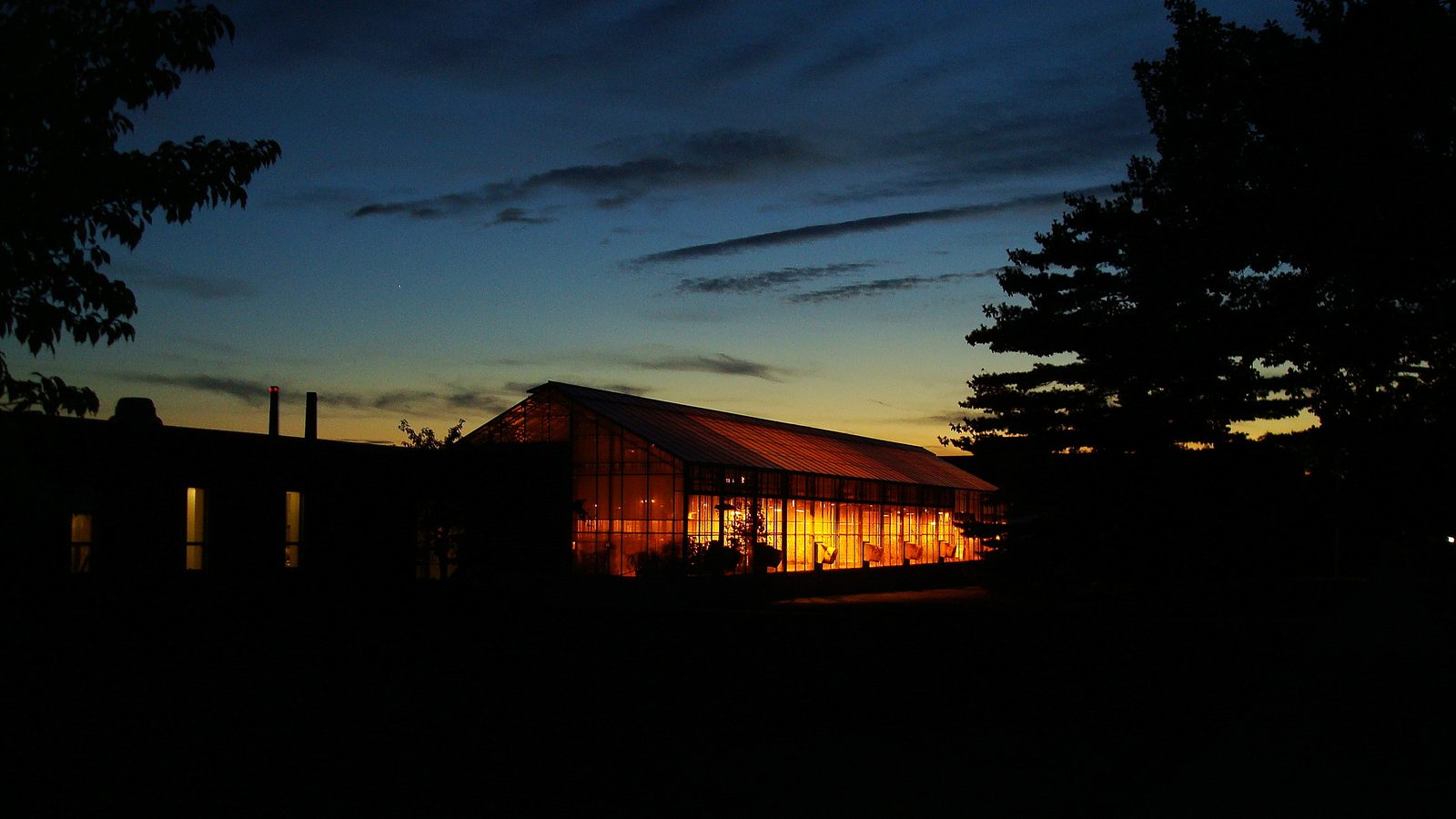
At the gate she stopped and looked back. The glasshouse had its lamp on now, one low bulb by the door that she left burning through the cold months so that the place would look lived in, and the glass gave the light back softly all along the south wall, with the shapes of the geraniums and the lemon tree dark against it. The beds lay quiet under their fleece and their bare soil. Somewhere in the low corner by the water butt the cold was beginning to gather, and it would find, when it settled, that everything soft had already gone in.
Bea walked home along the lane with the trug of dahlias on her arm. Behind her the garden did what it did on such nights, which was nothing, slowly, under a clear sky. In the morning there would be white on the grass and on the fleece and on the upturned pots, and she would come back and lift the fleece and find the lettuces green underneath, small and cold and entirely fine, and the lemon tree in its corner with the sun on it, and the year one honest step further on.
You do not need the screen to keep this place. Close your eyes and let it continue without us.
Let the screen go darkPhotograph: Veryhuman, CC BY-SA 3.0, Wikimedia Commons