Mountain story · 6 minutes
The Cabin Above the Birch Line
A caretaker prepares one quiet room before the first snow arrives.
Begin readingThe cabin stood where the birches became too small to be called a forest. Below it, their white trunks filled the slope. Above it, the mountain kept only grass, stone, and weather.
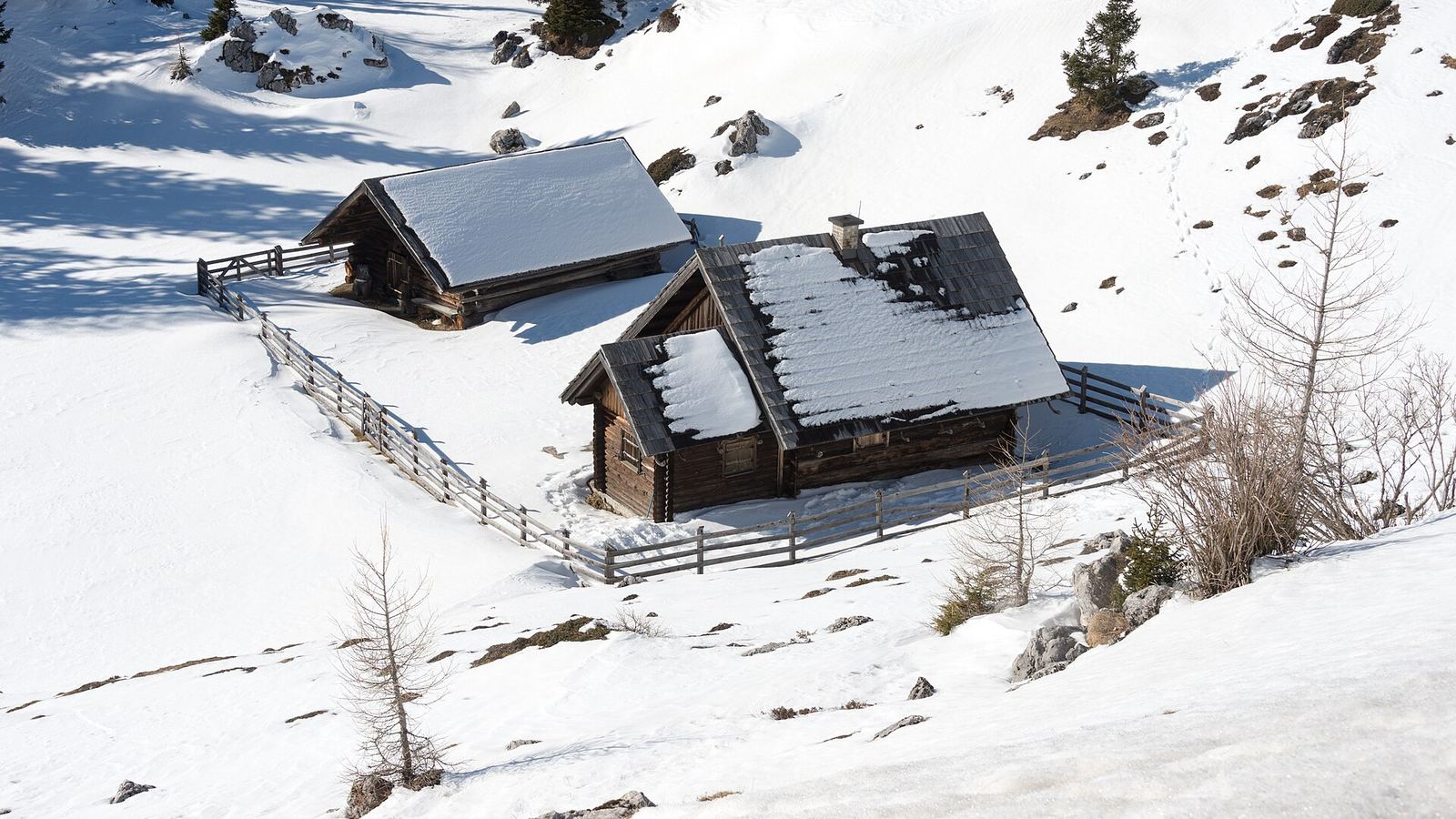
It had one room and a porch and a roof of grey shingles that had been replaced so many times, a few at a time, that no single shingle was old, though the roof as a whole was older than anyone who had ever slept beneath it. The door faced down the slope toward the birches and the valley. The windows faced east and north. Whoever had built it had understood that a cabin this high was a place for looking out from, and had put the glass where the looking was best.
Aya arrived before snow to close the shutters on the north side. She swept the hearth, stacked six pieces of wood, and shook the wool blankets over the railing.
The climb from the last road took most of a morning and she had done it slowly, stopping at the stream and again at the boulder where the path turned, not because she was tired but because there was no reason to be anything else. The birches had gone yellow the week before and were now mostly bare, and the path through them was soft with their small leaves. She had the key on a cord around her neck. The lock was stiff with the cold and she warmed it with her hand before she turned it, which was something her mother had shown her and which always worked.
In the cupboard she found salt, tea, and one jar of dried pears. She wrote these on a card for whoever came next, though she did not know whether that would be in a week or after winter.
The card was a habit of the cabin, kept in a tin on the shelf with a pencil, and every person who used the place added a line to it before they left: what they had found, what they had used, what they had brought. Salt, tea, dried pears, Aya wrote. Six logs by the hearth. Blankets aired. The pencil had been sharpened with a knife by someone with a steadier hand than hers. She read the lines above her own, in four or five different hands going back through the summer, and it was like listening to a small quiet conversation in which nobody was ever in the room at the same time.
Cloud moved down the valley and made the lower villages disappear. Aya lit no fire. Her work had warmed the room enough.
She sat on the step of the porch with a cup of the tea, made on the little stove, and watched the cloud come. It filled the valley from the far end first, like milk poured slowly into a bowl, taking the river and then the road and then the roofs of the village where she had left her bicycle, until only the tops of the nearest hills stood out of it. The birches below her went grey and then went. The cabin, for a while, was the only thing in the world, which was not a frightening thought at all. It was the thought the cabin had been built for.
She closed the door but left the east shutter open. Morning light, if it came, would find the table. Snow, if it came first, would rest against the glass. The cabin was ready for either.
She went down through the cloud with the key on its cord and the taste of the tea still with her, past the boulder and the stream, into the birches and out of them, and the first houses came up through the grey one at a time to meet her. Above her the cabin waited, swept, stacked, shuttered on its cold side and open on its warm one, keeping its one room for whoever came next and its window for the morning, with a card in a tin to say that somebody had been, and that everything was in order, and that there were pears.
You do not need the screen to keep this place. Close your eyes and let it continue without us.
Let the screen go darkPhotograph: Johann Jaritz, CC BY-SA 4.0, Wikimedia Commons